How to Plan a Medspa Content Shoot: From Moodboard to Finished Content
Plan a medspa content shoot about eight weeks ahead. Map three months of campaigns, turn them into a shot list, build a moodboard, book your photographer and videographer, style the treatment room, shoot vertical first for social.
One well-planned shoot should give you 500 or more photos and video clips to choose from.
Most medspa content shoots start in the wrong place: with a photographer's open date. A shoot gets booked, everyone shows up, and a few hundred beautiful photos land in a folder. Then, three weeks later, there's still nothing to post for the promotion you're running next month.
A content shoot isn't a photoshoot. It's the production day for the next several months of your marketing. The photos and videos should already have a job before the camera comes out: a campaign to support, a treatment to explain, a post on a specific date.
I'm [YOUR NAME], founder of Contessa Creative, a marketing agency for medspas, dermatologists, surgeons, and injectors. This is how we plan content shoots for our clients, from the first strategy conversation to finished content on the feed.
How far in advance should you plan a medspa content shoot?
Give yourself about eight weeks. Rushed shoots are where you end up with lovely photos and nothing usable for the campaign that actually matters.
8 weeks out: strategy. Map the next three months: promotions, launches, seasonal treatments, and the topics you want to own.
6 weeks out: campaigns and shot list. Turn that plan into campaigns, then into a list of the exact photos and videos each one needs.
5 weeks out: moodboard. Set the look, color, light, and feeling of the shoot so everyone works from the same picture.
4 weeks out: book your team. Lock in your photographer, videographer, location, and any hair and makeup.
2 to 3 weeks out: styling. Choose wardrobe, props, and products, and prep the treatment room.
1 week out: final run of show. Share the shot list, schedule, and moodboard with everyone, and confirm models or patients and their releases.
Shoot day. Work through the shot list in order, capturing photo and video for each setup.
1 to 3 weeks after: finished content. Select, edit, and organize the content, then load it into your content calendar.
What should a medspa content shoot cover?
The most valuable thing you can do before a shoot is look ahead. Content works on a delay. Someone who sees your post today may not book for weeks, so what you shoot now should support what you want booked two and three months from now.
Start with the calendar:
Promotions and launches. A new treatment, a new device, a membership push, an event.
Seasonal moments. Pre-summer body treatments, holiday-party skin, a new-year reset, wedding season.
Evergreen topics. Consultations, what to expect, aftercare, meet the provider, and why patients choose you.
Turn it into campaigns
Group those topics into two to four campaigns for the quarter. Each campaign gets a goal (book consultations for a new treatment, fill a slow month), a message, and the content it needs across social, email, your website, and ads.
Build the shot list from the campaigns
Now every shot has a purpose. A campaign for a new skin treatment might need:
Provider portraits for the announcement post and email header
Treatment-in-progress video for reels
Detail shots of the device and products
A consultation scene for the "what to expect" carousel
Lifestyle shots of the provider for stories and the website
List each shot, which campaign it belongs to, and whether it's photo, video, or both. This list becomes your run of show on shoot day.
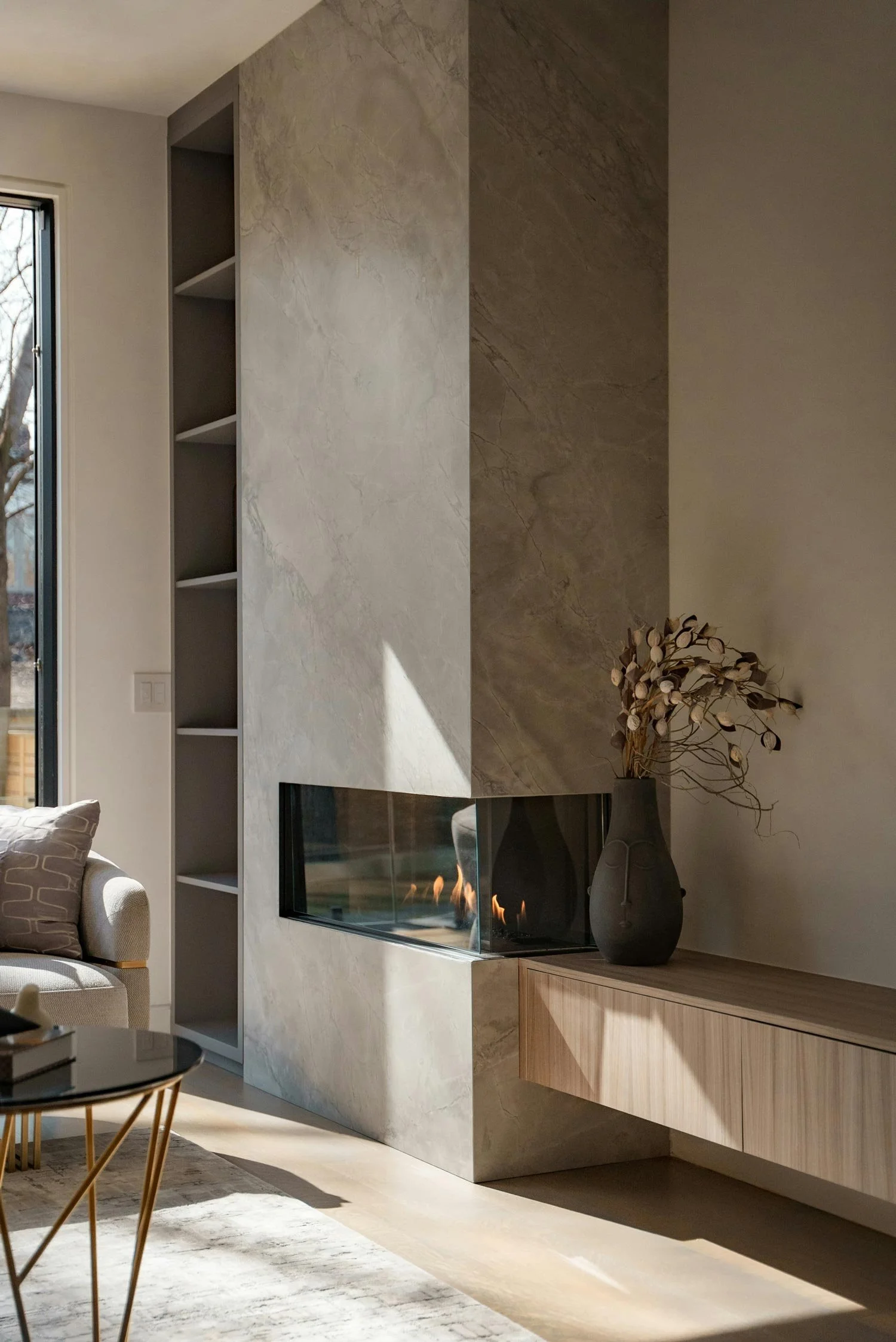
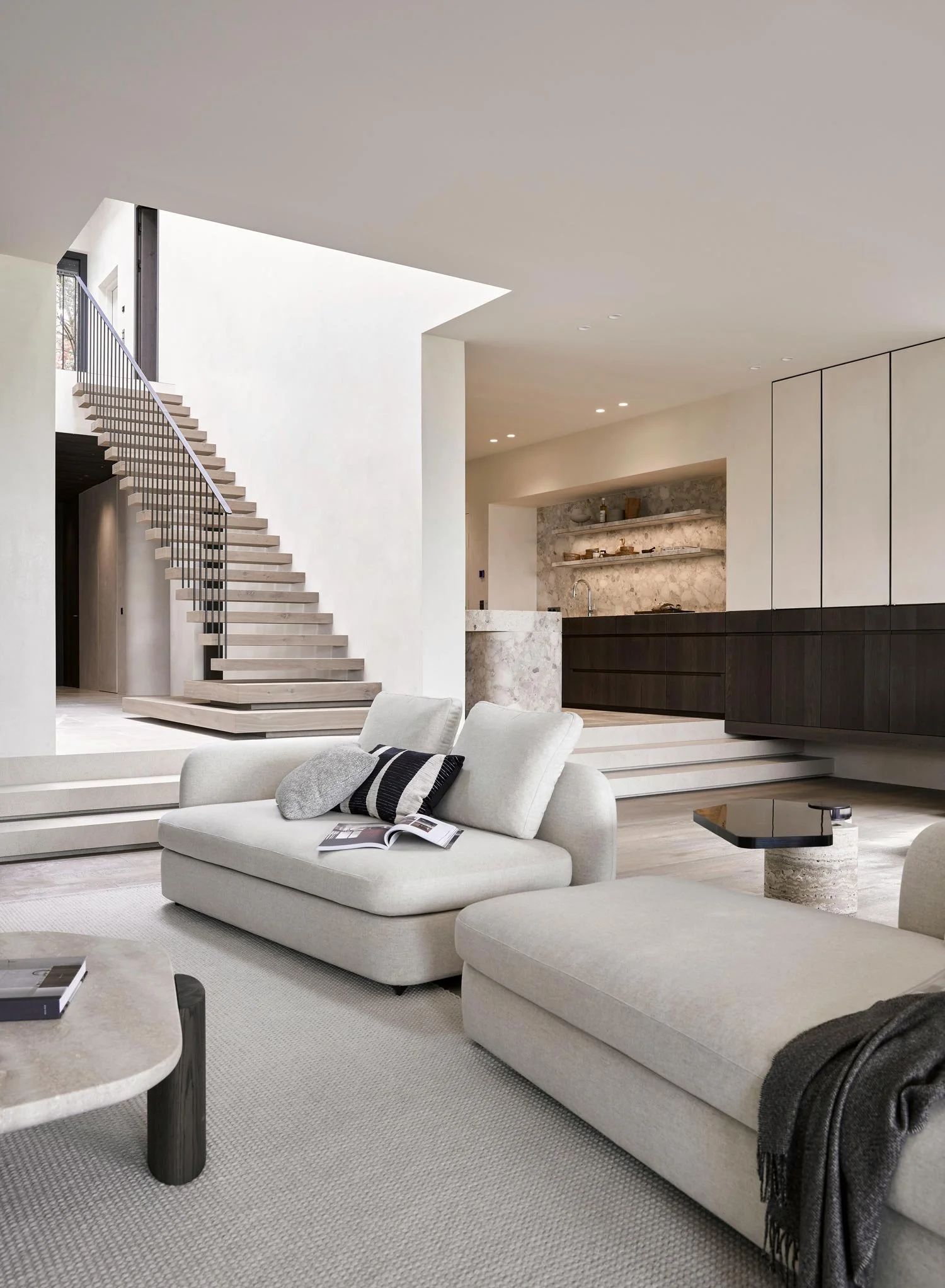
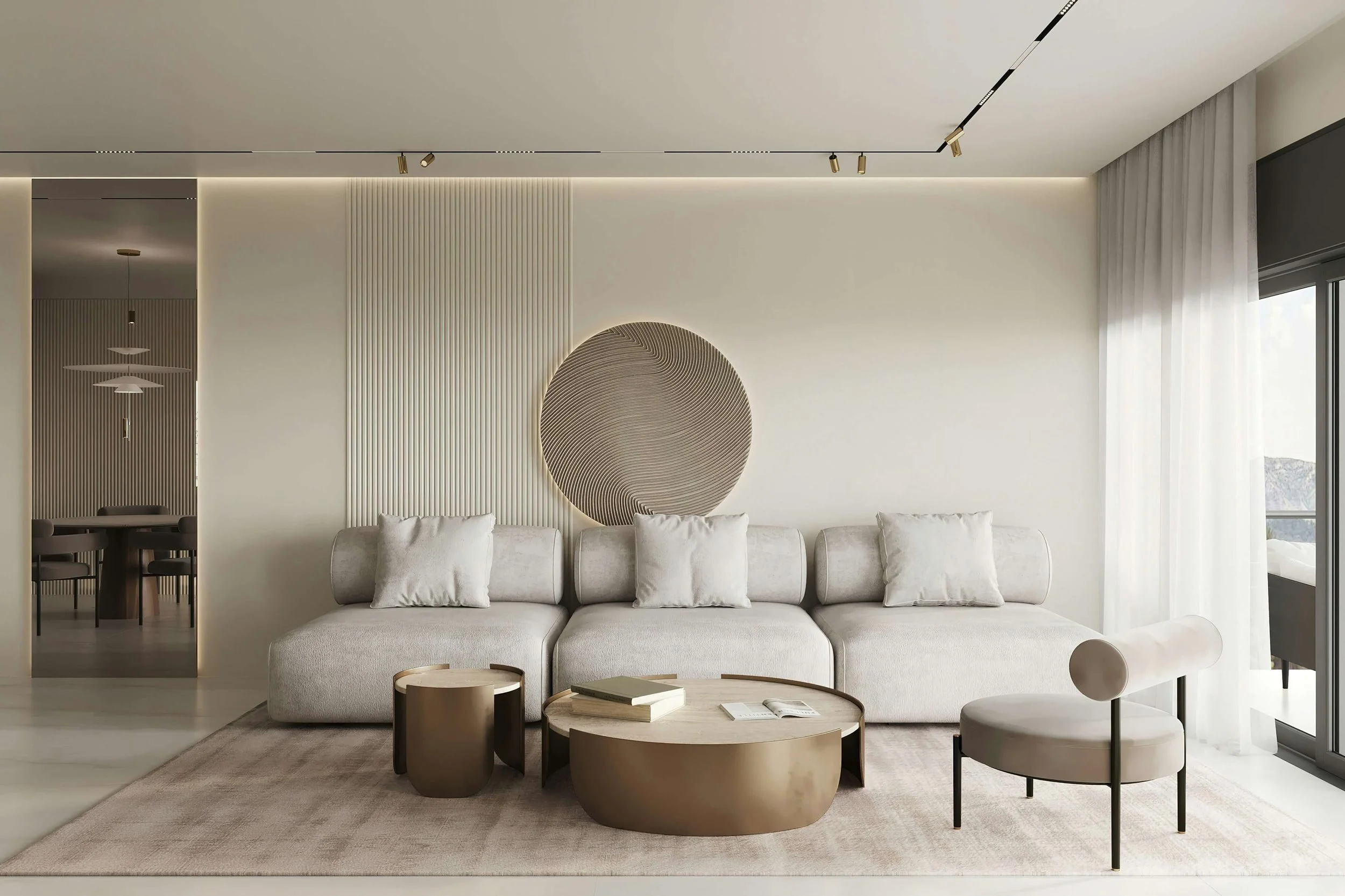
How to create a moodboard for a medspa content shoot
A moodboard isn't a collection of pretty pictures you like.
It's a brief: the one place your photographer, videographer, stylist, and team look to understand what the finished
content should feel like. A strong medspa moodboard covers:
Feeling. Three or four words for the brand, such as clinical and calm, warm and editorial, or bold and luxurious.
Color and light. Your brand palette, plus the light you want: soft and natural, bright and clean, or moody and dramatic.
Composition. Close-up details, wide room shots, negative space for text overlays and ads.
Poses and expressions. How the provider should come across: approachable, expert, confident.
Video references. Movement, pacing, and transitions for reels.
Wardrobe and props. Scrub colors, styling, products, florals, and textures.
How to style a medspa content shoot
Styling is where a shoot either looks like your practice or like a stock photo. Whether it's a full medspa brand photography day or a quick injector photoshoot, plan it as carefully as the shot list.
Wardrobe. Bring two or three looks per provider: scrubs or a clinical look for treatment shots, a polished outfit for portraits, and something softer for lifestyle content. Choose colors that work with your brand palette and avoid busy patterns and logos.
Hair and makeup. Book a professional if you can. Natural, polished, and camera-ready reads as trustworthy, which is the point of provider content.
The treatment room. Clear the clutter, hide the cords, and style the counters with the products and tools you actually use. Fresh linens, florals, and textures from your moodboard make the room feel considered.
Props and products. Pull the devices, syringes, skincare, and branded items each campaign needs, and set them out before the shoot so nothing gets missed.
Working with a photographer and videographer for medspa content
Your creative team can only deliver what they understand. The more context they have before shoot day, the less time you spend directing and the more usable content you get back.
Hire for the work you need. Look for portfolios with people and interiors in natural, flattering light. Experience in clinical or beauty settings is a plus. For video, look for vertical, social-first work, not only polished brand films.
Send the brief early. Share the moodboard, shot list, campaign goals, and where the content will live: feed, reels, website, ads, email.
Shoot vertical first. Most photographers default to horizontal, and Instagram crops most of a horizontal photo away. If the content is for social, shoot vertical first. If it's for your website or ads, shoot horizontal. Shooting for "both" usually leaves you with a folder of photos that never get used because they weren't made for mobile.
Plan photo and video together. If you're working with both, schedule each setup so the photographer and videographer take turns rather than competing for the same angle.
Agree on deliverables in writing. Confirm the number of edited images, video length and format, turnaround time, and usage rights, including paid ads.
What happens on Medspa Content Shoot Day
Work through the shot list in order, grouped by setup and wardrobe so nobody changes clothes six times. Start with the shots that need the most energy, usually portraits, and save details and product shots for the end.
Keep one person (ideally your strategist) on the shot list, checking off each shot as you get it. It's easy to get swept up in a great moment and forget the one image a campaign depends on.
If patients or models appear, have signed releases in hand before the camera starts, and make sure they cover every place the content will be used.
How many assets should one content shoot produce?
A well-planned shoot should leave you with 500 or more photos and video clips. Not every one will be a keeper, and that's the point: capture every setup on your shot list from 6 to 8 angles, close and wide, photo and video, so you're choosing instead of scrambling. Posting 3 to 4 times a week plus stories takes a big library.
The shoot isn't done when the photographer packs up. It's done when the content is organized and on the calendar.
1. Select. Choose the strongest images and clips for each campaign on the shot list.
2. Edit. Keep color and editing consistent with your brand so the feed looks cohesive month after month.
3. Organize. File everything by campaign and content type: portraits, treatment, details, lifestyle, video.
4. Schedule. Load the content into your calendar against the campaigns you planned eight weeks ago.
Done well, one shoot day becomes months of content across social, email, your website, and ads, and every piece already knows its job.
plan your next shoot with strategy behind it
The practices with the strongest content aren't the ones with the biggest photography budgets. They're the ones who know what every shot is for before shoot day.
If you're ready for a partner to lead the strategy, the shoot, and everything after it, apply to work with Contessa Creative.